Bamboo vs Cotton vs Microfiber Sheets: Which Is Best for You?
Your sheets are more than a decorative layer on your bed. They sit against your skin for roughly a third of your life, shaping how cool, dry, and comfortable you feel through the night. The material you choose affects breathability, texture, durability, and how much maintenance your bedding needs. This guide compares the three most popular sheet types — bamboo sheets, cotton sheets, and microfiber sheets — so you can pick the one that fits your sleep style and routine.
Why Sheet Material Matters for Sleep and Comfort
Fabric determines how air moves around your body and how much moisture the surface absorbs. A breathable weave lets heat escape, while a dense or synthetic surface can trap it. That is why the same bedroom can feel comfortable to one sleeper and stifling to another. Temperature regulation, skin sensitivity, and how often you want to launder your bedding all point toward different materials. Before shopping, think about whether you sleep hot or cold, whether you want a crisp or silky feel, and how much ironing you are willing to do.
Cotton Percale Sheets: Breathable, Crisp, and Cool
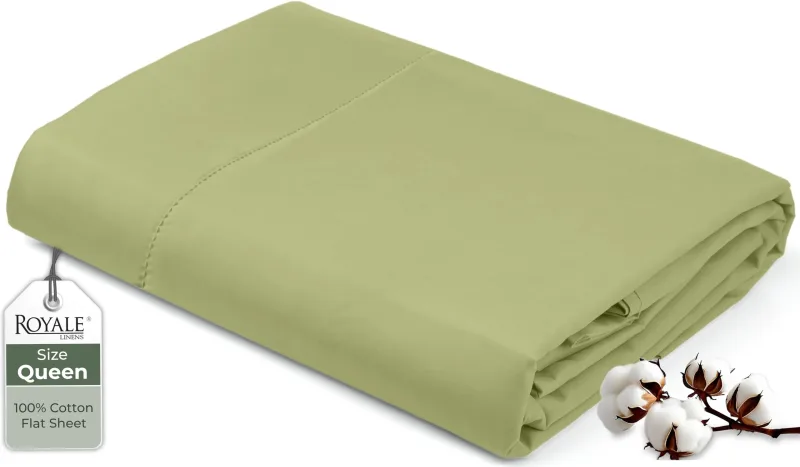
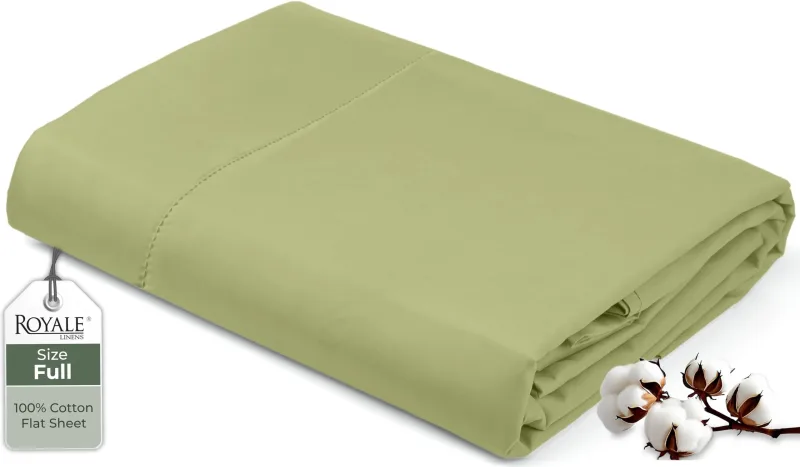
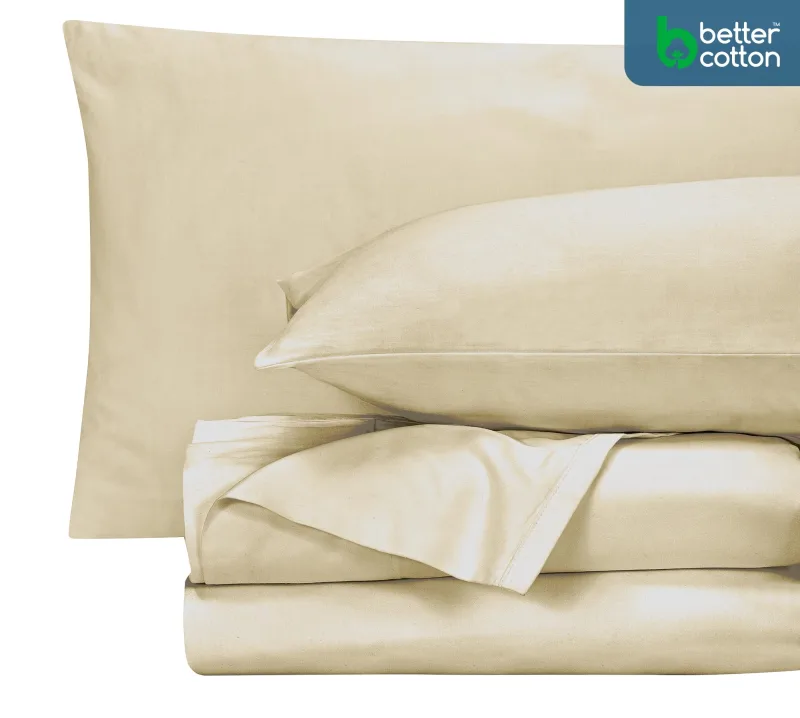
Cotton remains the classic choice, and percale is its coolest expression. Percale uses a tight one-over-one-under weave that produces a matte, crisp finish with a light, airy hand feel. It breathes well, resists pilling, and gets softer with every wash. For hot sleepers and anyone who loves that fresh, hotel-like snap when they slide into bed, percale cotton is hard to beat.
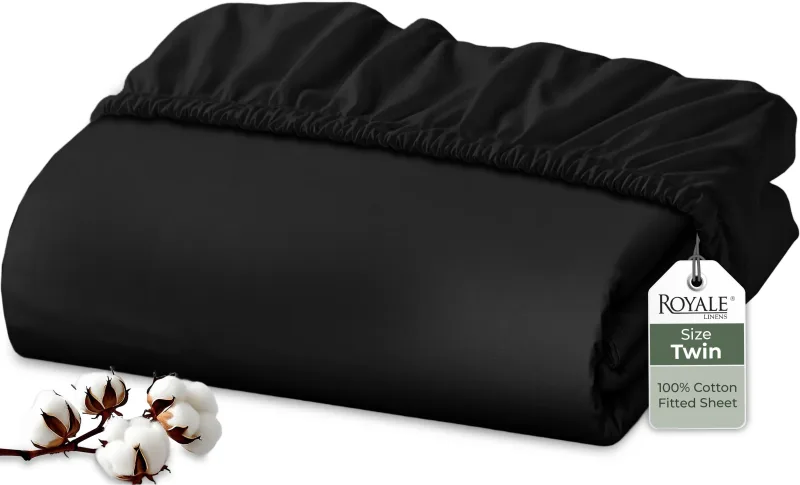
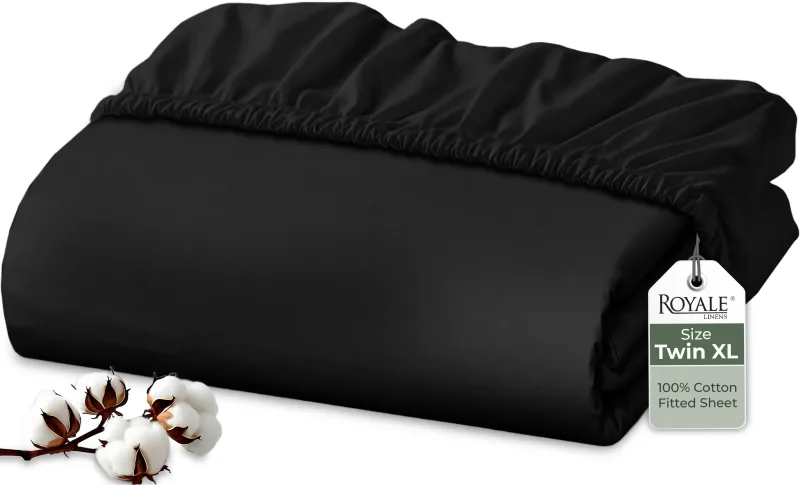
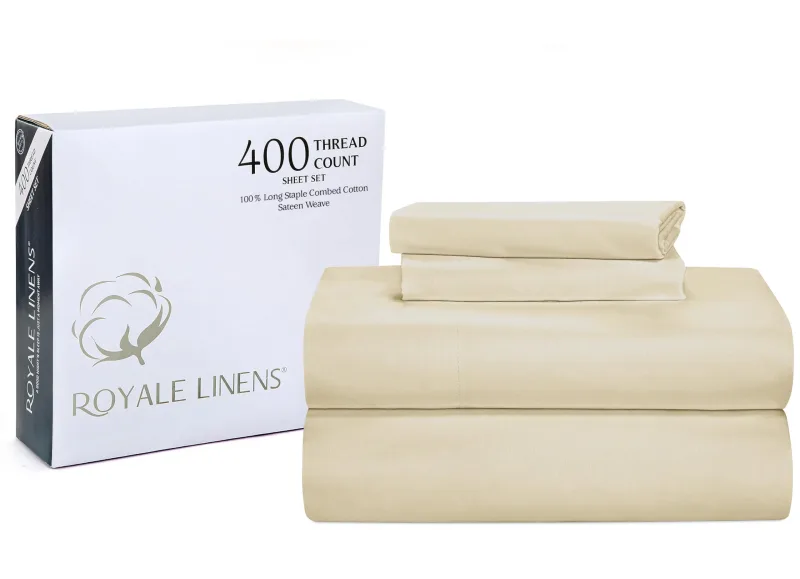
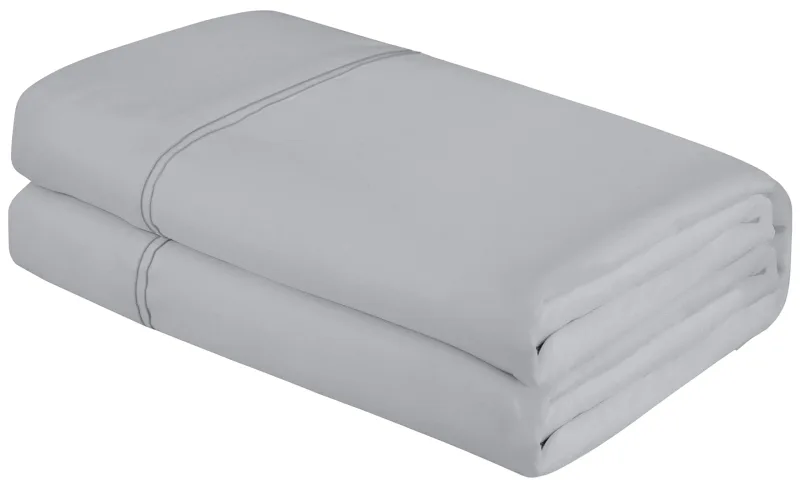
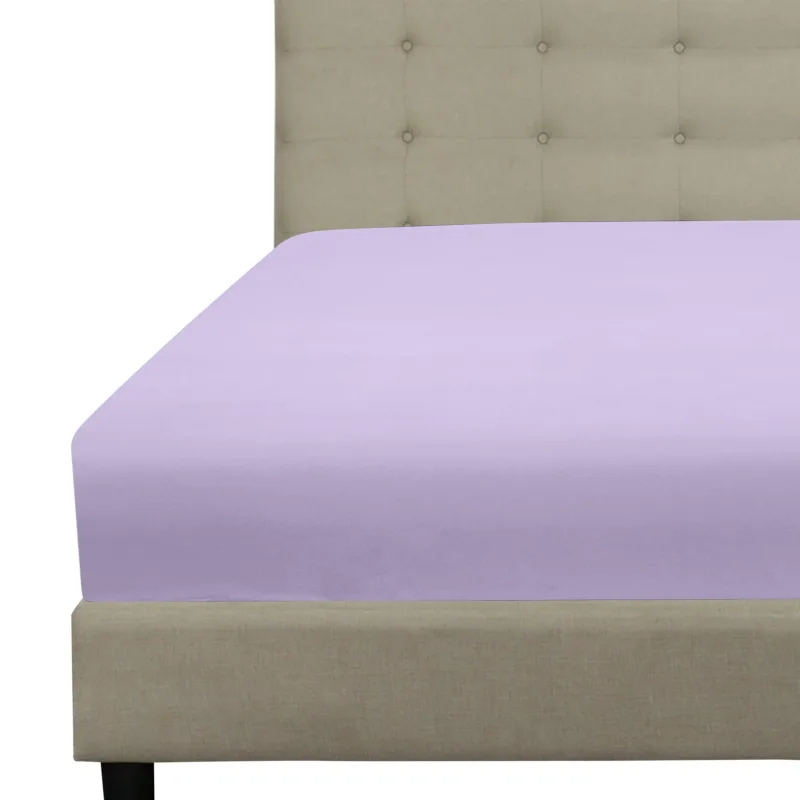
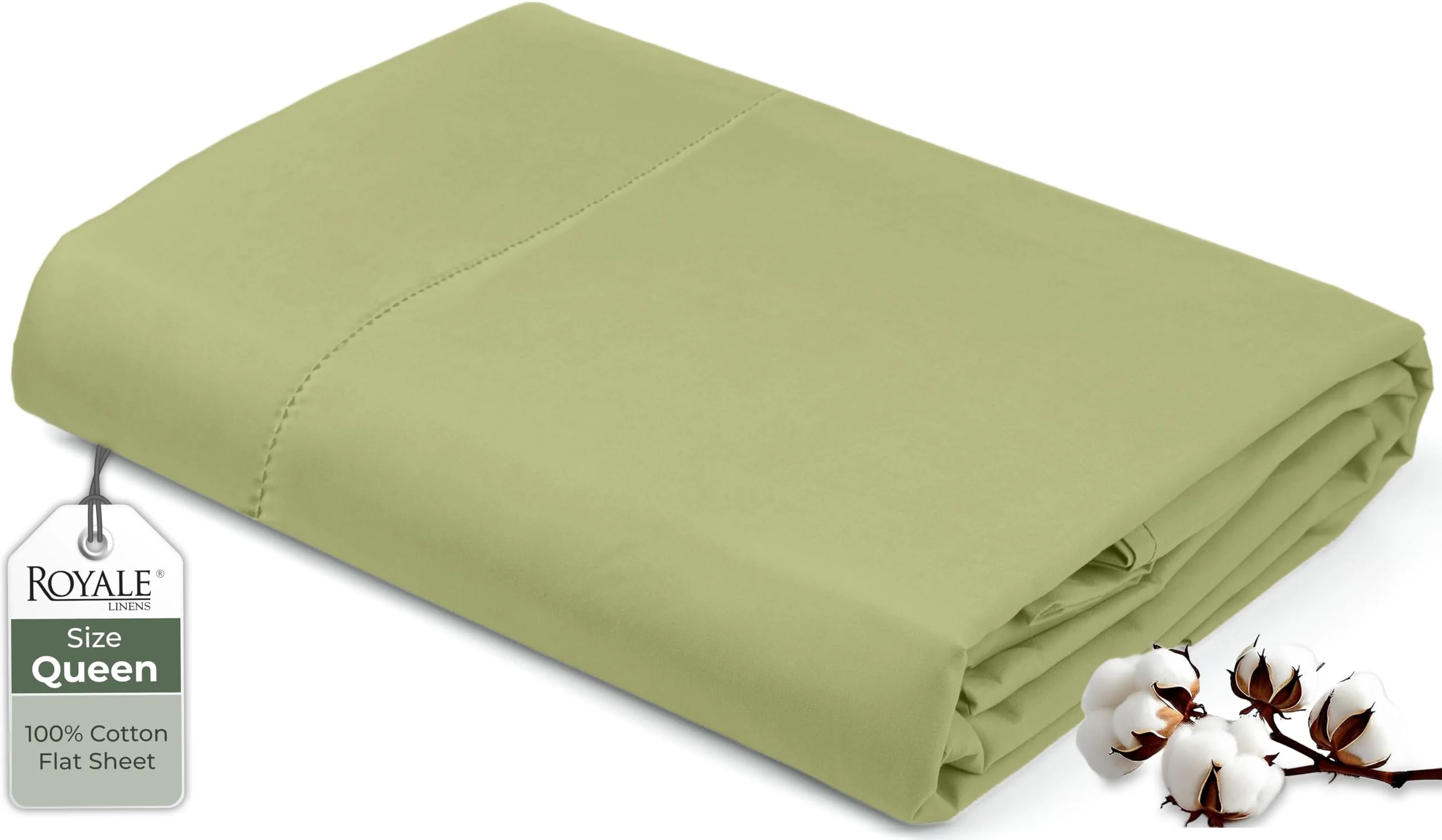
Long staple combed cotton takes this a step further by removing short fibers, which reduces lint and creates a smoother, stronger yarn. If you only need to replace the top layer of your bedding, the Royale Linens 200 thread count combed cotton percale flat sheet delivers that crisp, breathable feel on its own. A fitted option, such as the organic cotton percale deep pocket fitted sheet, keeps the same cool texture wrapped snugly around the mattress. If you prefer a slightly denser, smoother sateen finish, a 400 thread count cotton sateen sheet set offers a subtle sheen and a softer drape while remaining natural and breathable.
Bamboo Viscose Sheets: Silky Soft and Cooling for Hot Sleepers
Bamboo viscose is made by breaking down bamboo cellulose into a spinnable fiber. The result is a fabric with a smooth, almost liquid drape that feels cooler than cotton to the touch. Bamboo sheets wick moisture effectively and tend to be highly breathable, which makes them a favorite among people who overheat at night. They also resist odors and stay soft without chemical softeners.
The trade-off is care. Bamboo viscose is more delicate than cotton, so it usually prefers gentle washing and low heat drying to avoid shrinkage or pilling. It is also typically pricier. If you want that cool, silky sensation and do not mind a gentler laundry routine, bamboo is an excellent match — especially in warm climates or for sleepers who wake up clammy.
Microfiber Sheets: Wrinkle-Resistant and Budget-Friendly
Microfiber is woven from extremely fine synthetic fibers, usually polyester. That construction creates a tightly packed surface that feels soft and brushed, repels wrinkles, and holds its color well over time. It is also the most affordable of the three and dries quickly after washing, which is convenient for guest rooms, dorms, and anyone who wants low-maintenance bedding.
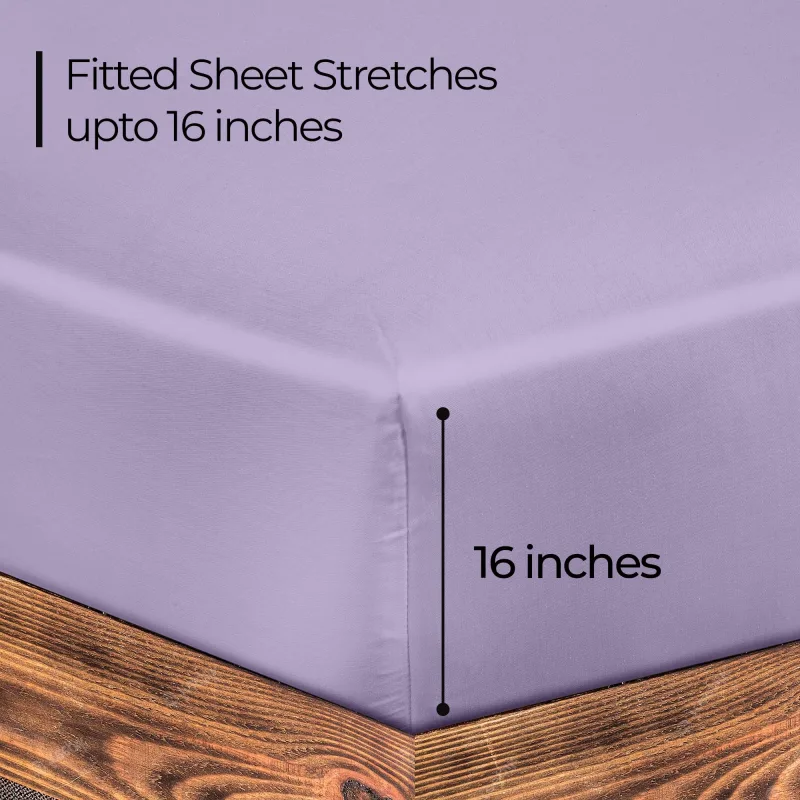
The catch is breathability. Because microfiber is synthetic and densely woven, it does not move air as freely as cotton or bamboo, so it can feel warmer for hot sleepers. It also tends to build up static. Still, for cool sleepers and shoppers who prioritize easy care, a brushed 1800 microfiber flat sheet offers hotel-quality softness without the ironing. Pair it with a deep pocket brushed microfiber fitted sheet that stretches to fit thicker mattresses, and you have a complete, fuss-free set.
How to Choose the Right Sheet Type and Size
Start with temperature. If you sleep hot, lean toward cotton percale or bamboo viscose. If you sleep cold or simply want the easiest care, microfiber is a practical pick.
- Texture: Choose crisp percale for a cool, matte feel, sateen for a smoother sheen, bamboo for silky softness, and microfiber for a plush, brushed surface.
- Maintenance: Microfiber wins on wrinkle resistance; cotton is durable and forgiving; bamboo needs the gentlest handling.
- Budget: Microfiber is the most economical, cotton sits in the middle, and bamboo typically costs the most.
- Size and fit: Measure your mattress depth before buying. Deep pocket designs stretch to accommodate thicker mattresses and toppers, while standard pockets suit slimmer beds.
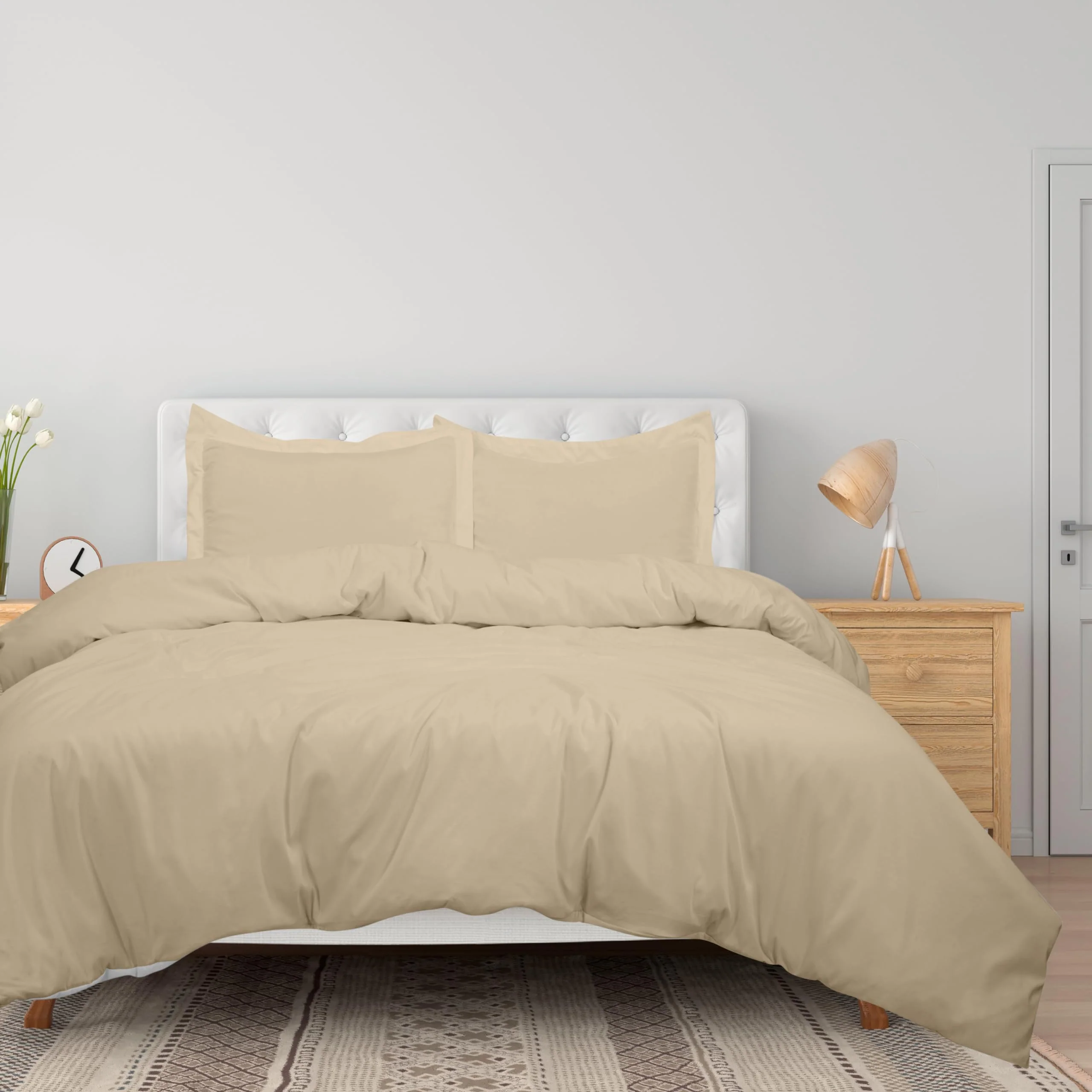
- Layering: A breathable top sheet plus a lightweight comforter lets you adjust warmth through the night. A lightweight all-season down alternative comforter adds warmth without trapping excess heat.
There is no single best sheet for everyone — only the best match for how you sleep. Match the fabric to your temperature, your preferred texture, and your laundry habits, and you will sleep better for it.